What is the Most Addictive Drug? A History of Opioids from Opium to Fentanyl

Author picture

Reach Recovery & Integrated Health
Date Published: 11/19/2025

Opium and Fentanyl are Two of the World's Most Addictive Drugs

Table of Contents

Introduction

Every month, thousands of people type the same question into search engines: what is the most addictive drug? The answers often list familiar substances: nicotine, alcohol, methamphetamine, heroin, fentanyl. Each of these has a powerful claim. Yet to understand why opioids in particular stand out — not only as addictive, but as deadly — requires a longer view.

The story of opioids is the story of chemistry, medicine, commerce, human desire and greed. It stretches from the first cultivation of the poppy thousands of years ago to the modern fentanyl crisis. Opium, morphine, heroin, OxyContin, and fentanyl form a continuous thread of innovation and devastation. They represent not just among the most addictive substances in medical literature, but the most deadly drugs in lived history.

There is irony in this history. Opioids were also a revolution in medicine. For the first time, physicians had tools that could truly relieve unbearable pain — in battlefield surgery, in childbirth, in cancer care. They transformed both surgery and palliative medicine. The tragedy lies in the paradox: the very substances that brought relief to millions also unleashed dependence, overdose, and epidemic.

In this article, you will learn:

  • How opioids evolved from raw opium to synthetic fentanyl.
  • Why opioids are considered among the most addictive and deadly drugs.
  • The cultural, medical, and social forces that shaped each stage of the opioid story.
  • The lessons this history offers as the world struggles with addiction today.

Other Contenders: Nicotine and Methamphetamine

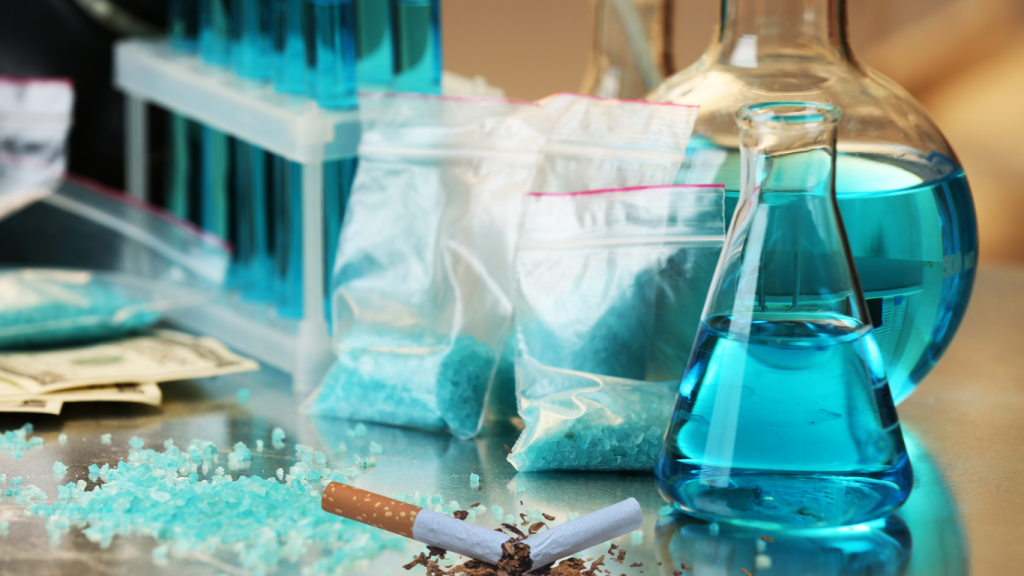
Both Methamphetamine and Nicotine are Very Addictive Drugs.

Before turning to opioids, it is worth acknowledging that nicotine and methamphetamine are often ranked among the most addictive substances.

  • Nicotine’s grip lies in how it binds to receptors in the brain, producing cravings that make quitting tobacco notoriously difficult. Despite declining smoking rates in many countries, nicotine remains one of the leading preventable causes of death worldwide. Millions still die annually from smoking-related disease.
  • Methamphetamine floods the brain with dopamine, producing intense euphoria. This leads rapidly to compulsive use, insomnia, paranoia, and profound neurological damage. Its impact is especially visible in regions facing meth-driven public health crises.

Both are profoundly addictive. But neither has unleashed the global scale of overdose deaths that opioids have in the modern era. With that in mind, we turn to the long and tragic arc of opioid history.

Opium: Humanity’s First Narcotic

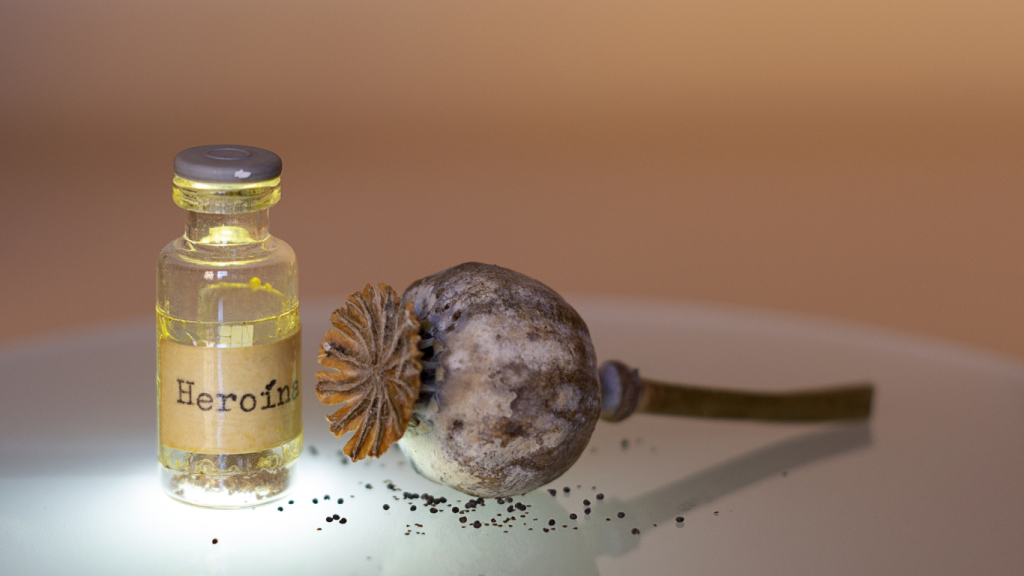
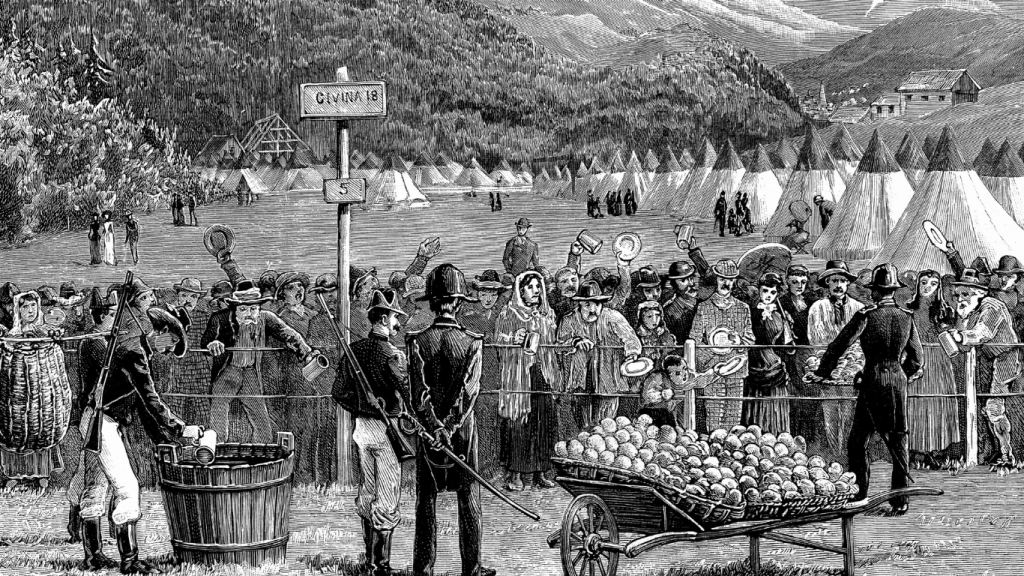
Opium, First Known Addictive Drug.

The story begins with the opium poppy (Papaver somniferum), cultivated as early as 5000 BC in the Mediterranean. Ancient civilizations recognized its dual power to relieve pain and induce euphoria. The Greek physician Hippocrates mentioned its use; the Roman naturalist Pliny the Elder described its effects. In China, India, and the Middle East, opium became both medicine and vice.

By the 17th and 18th centuries, opium was traded on a global scale. In Britain, it was consumed as raw tinctures and as laudanum — a mixture of opium and alcohol popular among all classes. For the working poor, laudanum was cheaper than alcohol. For the upper classes, especially women, it was a socially acceptable form of intoxication.

Between 1825 and 1850, Britain’s imports of opium rose 400 percent, reflecting an appetite that was both medical and recreational. Writers like Thomas De Quincey, in Confessions of an English Opium-Eater (1821), chronicled its seductive power, influencing generations. Romantic poets such as Byron, Shelley, and Coleridge also had complicated relationships with the drug. Coleridge’s Kubla Khan, famously composed in an opium haze, became a cultural artifact of both creativity and dependence.

Missionaries returning from China added another perspective. They documented widespread addiction in the wake of Britain’s export of opium to Chinese markets. These reports were among the first detailed descriptions of addiction’s destructive potential.

Morphine: The First Alkaloid

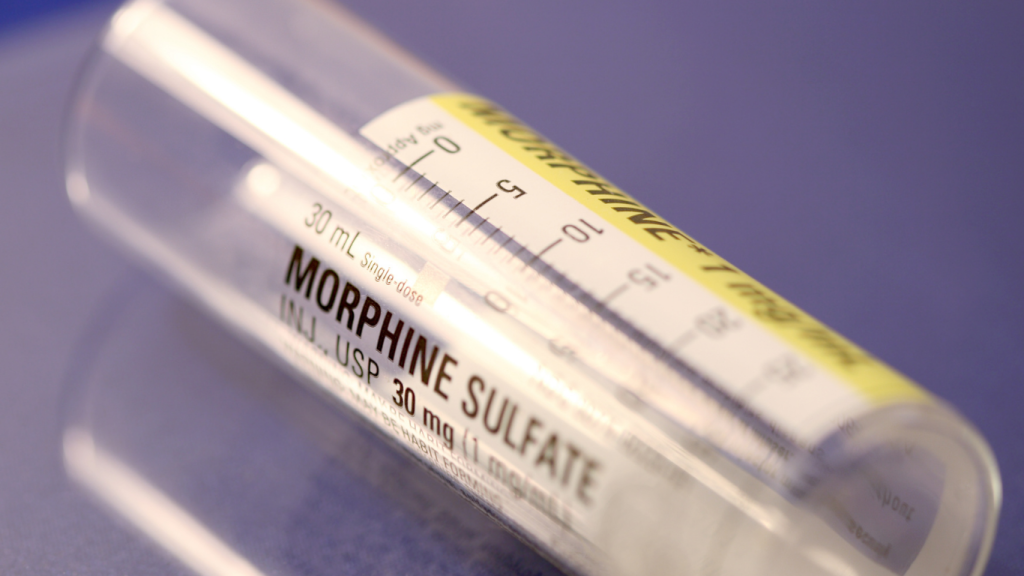
Morphine is a very Powerful and Addictive Drug most often used as a Pain Killer.

In 1806, German pharmacist Friedrich Sertürner succeeded in isolating the active alkaloid of opium. Alkaloids are nitrogen-containing compounds produced by plants; many — such as nicotine, caffeine, and cocaine — exert strong effects on the human body. Morphine was the first alkaloid ever identified and purified. Sertürner named it after Morpheus, the Greek god of dreams.

Morphine proved to be about ten times more potent than raw opium. For the first time, physicians could measure, prescribe, and standardize pain relief. Morphine became indispensable in surgery and battlefield medicine.

During the U.S. Civil War, it was administered widely to wounded soldiers. Many developed what became known as “soldier’s disease” — morphine addiction born of both necessity and ignorance. Morphine’s promise of relief carried with it an unrecognized peril.

The Hypodermic Syringe: A Revolution in Delivery

Hypodermic Syringe
Hypodermic Syringe

Another leap came in 1853, when Alexander Wood in Scotland and Charles Pravaz in France independently developed the hypodermic syringe. For the first time, morphine could be injected directly into the body.

This changed everything. Massive doses could reach the brain rapidly, creating both relief and dependency on a scale never seen before. The hypodermic syringe revolutionized legitimate medicine — enabling precise dosing and rapid pain relief — while also fueling misuse.

Among the upper classes, particularly women for whom alcohol and cigarettes were considered improper, morphine injections became a discreet alternative. A small dose could be administered “under the table,” even at parties or dinners, without attracting notice. What was marketed as refinement often concealed addiction.

Heroin: Marketed as “Heroic”

Heroin is used for medication and was sold as a cough suppressant.
Heroin was once sold as a cough suppressant.

In 1874, English chemist C.R. Wright first synthesized diacetylmorphine by boiling morphine with acetic acid. He tested the compound on a dog, which became violently ill, and abandoned further study.

Fifteen years later, chemists at the German firm Bayer revisited the synthesis. They hoped to find a non-addictive substitute for morphine. What they discovered instead was a compound that produced powerful euphoria. They named it heroin, from the German heroisch (“heroic”), after chemists who sampled it reported feeling heroic under its influence.

Bayer marketed heroin aggressively. It was sold as a cough suppressant, as a safe painkiller, and even as a remedy for teething toddlers. Syrups, lozenges, and tonics filled pharmacy shelves. Physicians prescribed it widely, convinced by Bayer’s claims that it was less addictive than morphine.

The irony was devastating. Heroin was actually five times stronger than morphine — and as much as fifty times stronger than raw opium. Intended as a safer alternative, it rapidly created dependence. By the early 20th century, heroin had spiraled out of control as one of the most dangerous drugs ever marketed.

The First Western Opioid Epidemics

Opioid Addiction had already become a problem in both Europe and the United States in the 1870's

By the 1870s, clinics in Europe and the United States were already treating what was called morphinomaniadependence on morphine. These clinics represented the first organized efforts in the West to respond to opioid epidemics, paralleling but distinct from the long-standing crisis in China fueled by opium trade.

Patterns of use reflected social class. In Britain and France, middle- and upper-class women injected morphine discreetly. Working-class men and women turned to laudanum and other tinctures. Addiction cut across boundaries but manifested differently.

By 1910, at the World Missionary Conference in Edinburgh, delegates presented detailed reports of opium’s destructive effects in Asia. Their lobbying marked one of the earliest coordinated international calls for narcotic regulation.

OxyContin and the Modern Crisis

Oxycontin, one of Today's Most Addictive Drugs.

The 20th century brought new synthetic opioids: methadone, hydrocodone, oxycodone. Each promised potent pain relief, and each carried risks of dependence.

The real turning point came in 1996, when Purdue Pharma introduced OxyContin. Marketed as a long-lasting opioid for chronic pain, it was promoted as safe and minimally addictive. Sales campaigns targeted physicians aggressively, and prescriptions soared.

The result was catastrophic. Communities across the United States saw waves of misuse, dependence, and overdose. Lawsuits later revealed that Purdue had understated the risks. Settlements ran into the billions, but the damage was already done.

As prescription opioids became harder to obtain, many turned to heroin as a cheaper, accessible substitute. This set the stage for the most lethal opioid yet.

Fentanyl: The Deadliest Drug

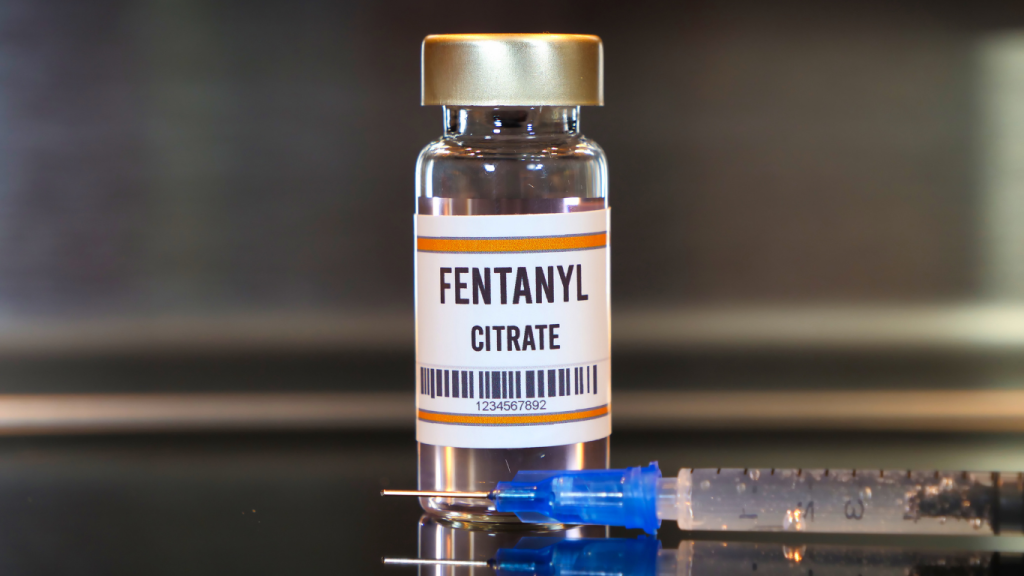
Fentanyl is currently the deadliest drug in the world.

Fentanyl, first synthesized by Belgian physician Paul Janssen in 1959, is a fully synthetic opioid about fifty times stronger than heroin and one hundred times stronger than morphine. In medicine, it remains indispensable for severe pain, particularly in surgery and cancer care. But outside of medical settings, illicitly manufactured fentanyl has flooded drug markets.

Because fentanyl is so potent, even trace amounts can be fatal. Dealers frequently mix it into heroin, cocaine, or counterfeit pills. Users often do not know they are consuming it. The result has been catastrophic.

In the United States alone, more than 70,000 overdose deaths in 2021 involved synthetic opioids, primarily fentanyl. It is now the leading cause of overdose death in the country. No other drug in history has produced fatalities at this scale.

The Neuroscience of Addiction

Opioids act directly on the brains reward system which is what makes them so addictive.

What makes opioids — from opium to fentanyl — so addictive? They act directly on the brain’s reward system, binding to opioid receptors that release dopamine and suppress pain. The first uses bring euphoria. But over time, the brain adapts.

  • Tolerance develops, requiring higher doses to achieve the same effect.
  • Dependence follows, with withdrawal symptoms when the drug is absent.
  • Long-term changes occur: the brain’s ability to feel pleasure from ordinary experiences diminishes.

The irony is cruel. Opioids begin by heightening pleasure, but prolonged use leaves many unable to enjoy life’s ordinary rewards — a sunny day, a meal, companionship. Neuroscientists call it the hijacking of the reward system, a change that can persist long after drug use stops.

Conclusion: Lessons from History

From ancient poppy fields to modern fentanyl labs, the opioid story is one of innovation entwined with catastrophe. Each stage brought both medical progress and unforeseen harm.

  • Opium eased suffering but spread dependence.
  • Morphine enabled surgery but created “soldier’s disease.”
  • Heroin was hailed as non-addictive, only to devastate.
  • OxyContin was promoted as safe, only to fuel an epidemic.
  • Fentanyl, the most powerful yet, has left mass death in its wake.

The obligation now is clear: to remember this history, to regulate with vigilance, to treat addiction as the brain disease it is, and to pursue pain relief that does not sow destruction. The most addictive drug is not merely a chemical — it is a lesson repeated across centuries.

Sources

Scroll to Top