Reach Recovery & Integrated Health Scope of Practice
Affordable Medication-Assisted Treatment
for ONLY-
Integrated Health Memberships Available
Table of Contents
What “Scope of Practice” Means
In simple terms, a scope of practice explains the types of care and services we provide—and what we do not provide. It’s a way of setting clear expectations so that every patient knows what to expect when they come to us for help. Think of it as our “care map”: it defines the boundaries of what our team is trained and qualified to do, and ensures that you always receive safe, appropriate, and effective care.
Serving Asheville and Western North Carolina
Reach Recovery and Integrated Health serves patients in Asheville, NC, and the surrounding
Western North Carolina region, offering accessible, direct-pay care.
Our Approach to Care
At RRIH, we provide limited family medicine, addiction medicine, concierge medicine, and lifestyle medicine within a bio-psycho-social-spiritual
framework. This means we look at the whole person, not just isolated symptoms. Alongside medical care, we integrate counseling on nutrition, exercise, gut microbiome health, stress management, and the avoidance of harmful substances, including dangerous drugs that contribute to addiction and relapse.
Patient Care Process
Every patient begins with a comprehensive intake using our secure electronic medical records system. This intake includes demographic information, complete medical history, vital signs, a physical examination, and psychological screening. From this foundation, we create an individualized treatment plan—whether addressing chronic illness, lifestyle concerns, or recovery from substance use disorders and initiate the most appropriate interventions for each patient’s needs.
Our Team
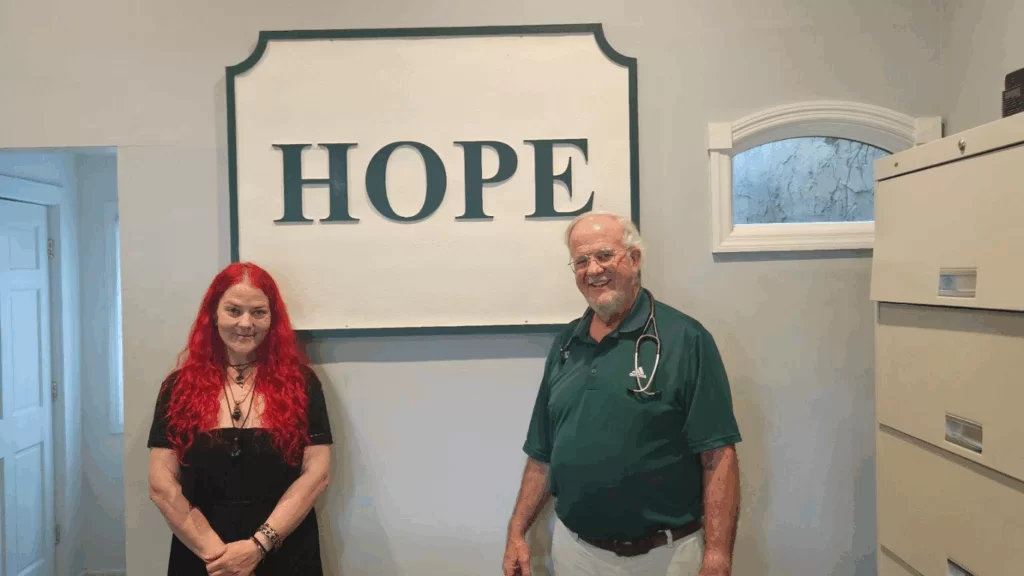
Our staff includes licensed medical providers trained in addiction medicine and family medicine, Certified Peer Recovery Specialists (CPRS), and dedicated office personnel. To maintain quality care, we schedule no more than three patients per hour and typically see no more than 20 patients per day.
We also perform CLIA-exempt lab testing in-house (tests that do not require specialized equipment under law). For additional laboratory studies, imaging, or diagnostics, we coordinate with trusted outside facilities to ensure continuity of care.
Conditions We Manage
RRIH provides care for a variety of common health concerns that can be safely managed in our Asheville clinic. These include:
- Hypertension (high blood pressure)
- Obesity and weight-related concerns
- Type 2 Diabetes
- Skin conditions
- Mild chronic pain
- Smoking cessation support
- Substance use disorders and recovery care, guided by providers trained in addiction medicine and delivered through evidence-based approaches
Services We Do Not Provide
- Prescribe Schedule II controlled substances
- Perform invasive or complex medical procedures
- Manage ADHD with controlled substances
- Manage chronic pain outside of treatment for substance use disorders
- Prescribe benzodiazepines for anxiety (except in tapering doses designed to achieve
abstinence) - Consultation with a provider to determine the most appropriate care plan, as this list is not comprehensive—especially if you are seeking support for addiction, substance use disorders, or recovery from dangerous drugs” (The absence of a period at the end is deliberate)
Our Commitment
At RRIH, our mission is to provide safe, compassionate, and effective care that respects the dignity of every patient. By working within a clearly defined scope of practice, we ensure that each individual receives treatment tailored to their needs and grounded in best practices. We are here to partner with you on your journey toward health, recovery, and freedom from the harms of addiction and dangerous drugs.
Resources (External Links)
We encourage you to explore these trusted resources for additional information on addiction, substance use disorders, and recovery:
- Substance Abuse and Mental Health Services Administration (SAMHSA):
https://www.samhsa.gov - National Institute on Drug Abuse (NIDA): https://nida.nih.gov
- National Institute on Alcohol Abuse and Alcoholism (NIAAA):
https://www.niaaa.nih.gov - American Society of Addiction Medicine (ASAM): https://www.asam.org
- Centers for Disease Control and Prevention – Opioid Overdose Prevention:
https://www.cdc.gov/drugoverdose