Tennessee Bans Kratom: What to Do if You’re Dependent
RRIH Staff
Date Published: 5/25/2026
Table of Contents
On May 7, 2026, Governor Bill Lee signed Matthew Davenport’s Law (HB 1649/SB 1656) into law. The law goes into effect on July 1, 2026. This kratom ban includes products containing 7-hydroxymitragynine, often shortened to 7-OH.
For some, this may sound like another drug headline. But for those dependent on kratom or high-potency 7-OH products, the change is personal and urgent. If you’ve tried to quit and faced withdrawal, you’re not alone. Kratom dependence is real, and while quitting may be difficult, evidence-based treatments—like buprenorphine—exist.
In This Article, You Will Learn:
- What Tennessee’s new kratom law says and what the legal consequences may be.
- Why kratom and 7-hydroxymitragyn ne can lead to dependence and withdrawal.
- How evidence-based treatment, including buprenorphine, may help some people stop using kratom safely.
- What steps to take if you or someone you love is dependent on kratom and needs help.
1. What Tennessee’s New Kratom Law Says
Tennessee’s Matthew Davenport’s Law (HB 1649/SB 1656) criminalizes kratom possession, manufacture, and sale. Possession is a Class A misdemeanor, punishable by up to 11 months and 29 days in jail and up to a $2,500 fine. Manufacture, delivery, or sale is a Class C felony, with penalties of up to 15 years in prison and up to a $10,000 fine. Selling to a minor can escalate to a Class B felony, with penalties of up to 30 years. The law also mandates kratom testing in certain suspected overdose cases.
Since we are based in North Carolina, we should note that kratom is not banned there as of this article. However, North Carolina’s House Bill 468 proposes regulation, though it hasn’t progressed since June 2025. We’ll monitor both states as laws evolve.
For full details on the legislation, please refer to the links in our Resources and References section below. Note that this article is not legal advice; for any specific legal questions, consult a qualified attorney.
2. Kratom Dependence Is Real — and Withdrawal Can Be Difficult
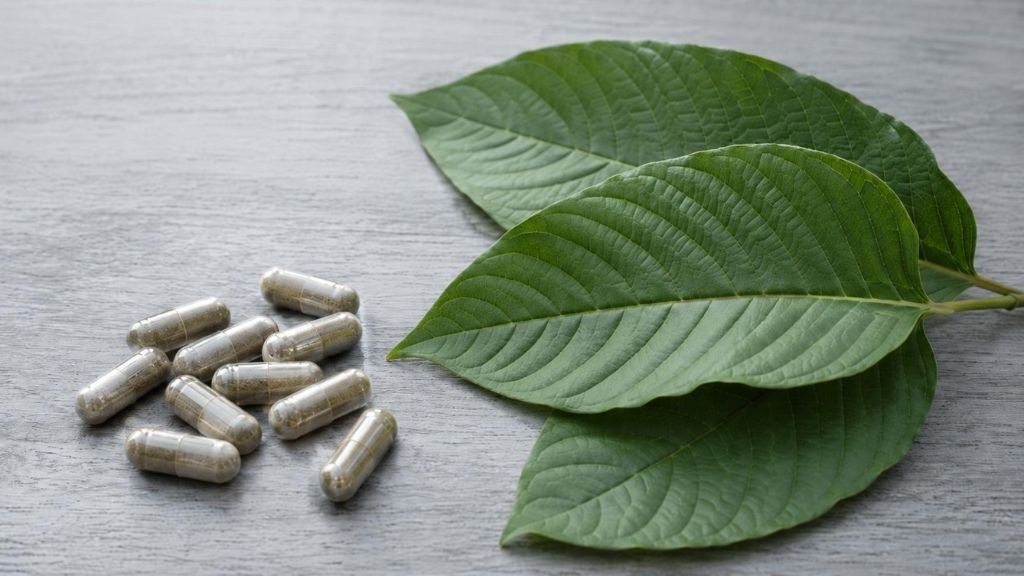
Kratom comes from the plant Mitragyna speciosa. Its active compounds include mitragynine and 7-hydroxymitragynine. North Carolina’s own bill summary describes kratom as a tropical tree native to Southeast Asia whose leaves contain both mitragynine and 7-hydroxymitragynine, and notes that consumption can produce stimulant effects at low doses and sedative effects at high doses.
Many people begin using kratom because they believe it is natural, legal, safer than opioids, or useful for pain, energy, mood, anxiety, or withdrawal from other substances. But “natural” does not mean harmless. A substance can be plant-derived and still produce dependence, tolerance, cravings, and withdrawal.
The FDA has warned that 7-OH products are “novel potent opioid products” and recommends that consumers avoid them. The agency says 7-OH occurs naturally in trace amounts in kratom, but its warning is especially focused on products where 7-OH has been added or enhanced to higher levels. FDA also reports harmful effects associated with 7-OH products, including addiction, anxiety, depression, gastrointestinal distress, insomnia, seizures, and withdrawal symptoms such as restlessness, body aches, fatigue, irritability, and cold sweats.
Kratom dependence may look like this:
- Needing kratom or 7-OH every day just to feel normal.
- Increasing the amount used over time.
- Feeling anxious, restless, sick, or depressed when trying to stop.
- Waking up in withdrawal.
- Spending more money than intended on kratom, extracts, shots, gummies, or 7-OH tablets.
- Hiding use from family or friends.
- Wanting to quit but repeatedly returning to it because withdrawal feels unbearable.
For some people, kratom withdrawal can resemble opioid withdrawal. That is one reason kratom dependence should not be dismissed as merely a bad habit or a lack of willpower. The body can adapt to repeated use, and once dependence develops, stopping suddenly can be physically and emotionally difficult.
High-potency 7-OH products may create even greater concern. The FDA has described 7-OH as a concentrated byproduct of the kratom plant that binds to opioid receptors, has potential for abuse, and is being targeted separately from natural kratom leaf products.
Understanding these challenges is the first step; next, we’ll look at how evidence-based treatments, including buprenorphine, can support you on the path to recovery.

3. Evidence-Based Treatment May Include Buprenorphine
In some cases, kratom dependence can be treated with clinical tools similar to those used for opioid use disorder. Not every person who uses kratom will need buprenorphine, but those with significant dependence, recurring withdrawal, strong cravings, and multiple failed attempts to quit should be assessed by a qualified medical provider.
Buprenorphine is an FDA-approved medication for opioid use disorder. According to SAMHSA, medications like buprenorphine can reduce withdrawal symptoms, ease cravings, and correct chemical imbalances—all as part of a research-backed treatment, not just a substitution of one drug for another.
Though research specific to kratom treatment is still emerging, published studies support buprenorphine/naloxone as a promising option in select cases. A 2022 case series and a 2023 case report both documented patients using buprenorphine/naloxone to manage kratom dependence—helping them reduce withdrawal symptoms and stay off kratom.
The goal isn’t just to get through withdrawal; it’s to stabilize, ensure safety, and support long-term recovery. Effective care may include:
- A medical evaluation
- A thorough review of kratom, 7-OH, opioids, alcohol, benzodiazepines, or other substances
- A careful withdrawal plan
- Buprenorphine when clinically appropriate
- Counseling, peer support, recovery planning, and follow-up
- Attention to sleep, nutrition, mental health, and relapse prevention
By addressing these aspects of care, you can begin to rebuild your stability but knowing how to take the next step is crucial. In the following section, we’ll walk you through concrete steps you can take right now if you suspect you’re dependent on kratom.
4. What to Do Now if You Are Dependent on Kratom
If you are dependent on kratom or 7-OH, do not panic, and do not assume you have to handle this alone. The worst plan is no plan.
A better first step is to be honest about what is happening. Ask yourself:
- Am I using kratom or 7-OH every day?
- Have I tried to stop and failed?
- Do I get sick, anxious, restless, or unable to sleep when I miss a dose?
- Am I worried about the new Tennessee law because I know I am dependent?
- Have I started using stronger products, extracts, shots, gummies, or 7-OH tablets?
- Am I using kratom or 7-OH to manage opioid withdrawal, pain, anxiety, depression, or trauma?
If the answer is yes, it may be time to speak with a provider who understands substance use disorder and medication-assisted treatment. Do not wait until withdrawal, legal pressure, or desperation forces the issue.
If you are in immediate danger, having severe withdrawal symptoms, feeling suicidal, or at risk of overdose, seek emergency help right away. If you are not in immediate danger but know you need help, contact a qualified treatment provider and ask specifically about kratom dependence, 7-OH use, opioid-like withdrawal, and whether buprenorphine may be appropriate.
Dependence Is Not a Moral Failure
Kratom dependence is not a character defect. It is not proof that you are weak. It is a real substance use problem that can become physically and emotionally powerful, especially when high-potency 7-OH products are involved.
Tennessee’s new law changes the legal landscape, but the human problem remains the same: people who are dependent need a safe way forward. Evidence-based treatment exists. Help is available. And with the right medical guidance, recovery is possible.
If you or someone you love is struggling with kratom or 7-OH dependence, reach out for help before the situation becomes a crisis. Please don’t hesitate to contact us for treatment options at: (828) 575-2070.
Sources & Resources
Tennessee HB 1649/SB 1656 – Matthew Davenport’s Law
https://wapp.capitol.tn.gov/apps/Billinfo/Default?BillNumber=HB1649&ga=114
North Carolina General Assembly — House Bill 468, Regulate Kratom Products
https://dashboard.ncleg.gov/api/Services/BillSummary/2025/H468-SMRI-35%28CSCE-21%29-v-3
Products Containing 7-OH Can Cause Serious Harm
https://www.fda.gov/consumers/consumer-updates/products-containing-7-oh-can-cause-serious-harm
FDA Takes Steps to Restrict 7-OH Opioid Products Threatening American Consumers
https://www.fda.gov/news-events/press-announcements/fda-takes-steps-restrict-7-oh-opioid-products-threatening-american-consumers
Treatment Options for Substance Use Disorder
https://www.samhsa.gov/substance-use/treatment/options
Long-term Buprenorphine Treatment for Kratom Use Disorder
https://pubmed.ncbi.nlm.nih.gov/35112990/
Successful Management of Kratom Use Disorder With Buprenorphine/Naloxone
https://pubmed.ncbi.nlm.nih.gov/37519540/
SAMHSA National Helpline
https://www.samhsa.gov/find-help/national-helpline