Suboxone Treatment in Asheville, NC: Help with Drug Addiction and What to Expect
RRIH Team Member
Date Published: 3/2/2026
Table of Contents
Making the decision to seek help with drug addiction is rarely impulsive. Addiction — more properly called substance use disorder (SUD), and in the case of opioids, opioid use disorder (OUD) — is a chronic, recurring, relapsing medical condition. Most people who reach out for treatment have endured cycles of withdrawal, temporary recovery, and relapse that gradually wear down both body and spirit. By the time they begin looking for help, they are not searching for abstract explanations. They are looking for relief. They are looking for stability. And most of all, they are looking for something that is proven — something that can deliver real, lasting results.
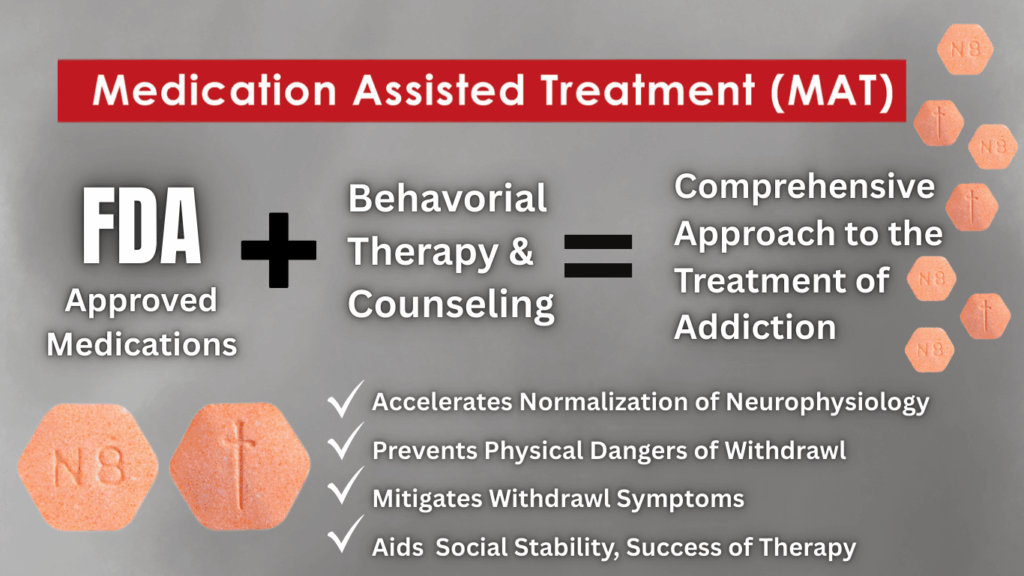
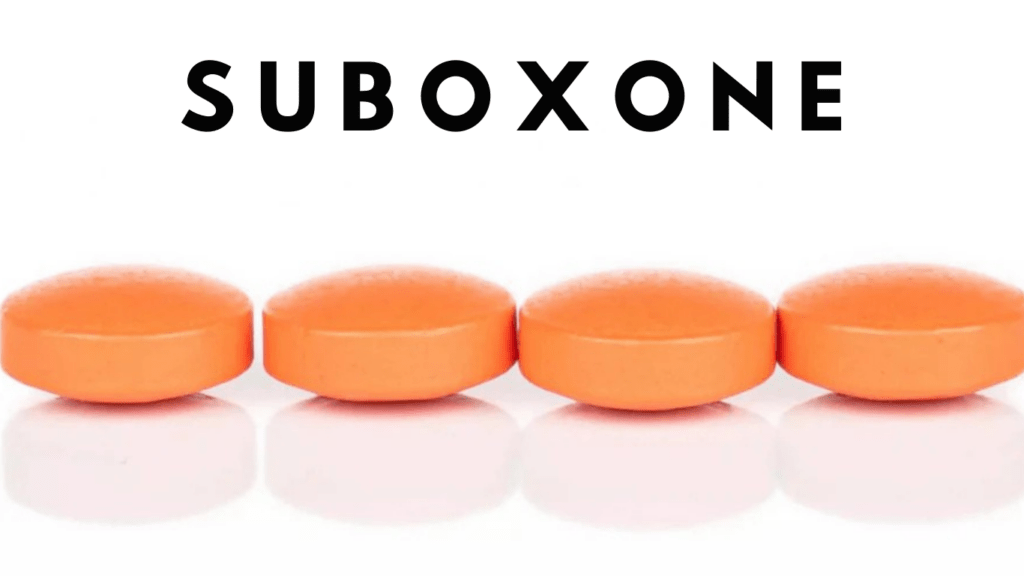
At Reach Recovery & Integrated Health here in Asheville, many patients tell us their greatest anxiety is simply not knowing what will happen when they start treatment. They may have searched online for “drug addiction help near me” or explored various drug addiction help centers without fully understanding how modern medical treatment for opioid use disorder works. Suboxone — whose active ingredient, buprenorphine, was approved by the U.S. Food and Drug Administration in 2002 for the treatment of opioid use disorder and has now been used safely and effectively for over two decades — represents one of the most important medical advances in addiction care. When properly administered, it allows the brain and body to stabilize so recovery can begin on a firm foundation.
In this article you will learn:
• How medication assisted treatment with Suboxone works for opioid use disorder
• What to expect during the first days of Suboxone treatment
• The role of the physician evaluation before treatment begins
• How peer support and Intentional Recovery foster long-term success
• How stability can lead to reclaiming life — including work, relationships, and personal
growth
• How to take the first step toward Suboxone treatment and recovery in Asheville, NC
Medication Assisted Treatment for Opioid Use Disorder: How Suboxone Stabilizes the Brain
One of the reasons opioid use disorder is so difficult to overcome is because of the powerful physical and neurological dependence opioids create. When individuals attempt to stop using on their own, they often experience intense withdrawal symptoms — nausea, chills, anxiety, restlessness, and an overwhelming mental urge to use again simply to make those symptoms stop. This cycle can make recovery feel out of reach without medical help.
Suboxone is one of the primary medications used in medication assisted treatment for
opioid use disorder. It contains buprenorphine, which is known as a partial opioid agonist. This means it attaches to opioid receptors in the brain and activates them — but only partially. It satisfies the brain’s physical dependence enough to reduce withdrawal symptoms and cravings, without producing the intense euphoria associated with full opioid drugs.
Suboxone also contains naloxone, which serves as a safeguard. When taken as prescribed, naloxone has little effect. However, if someone attempts to misuse the medication by injecting it, naloxone blocks opioid effects and can trigger withdrawal, helping discourage misuse.
As Suboxone begins to stabilize these receptors, withdrawal symptoms and the constant mental preoccupation with avoiding them can begin to ease with time. This stabilization allows the brain and body to regain balance and creates the foundation upon which recovery can begin.
Drugs to Help with Addiction: What to Expect in the First Days of Treatment
The first few days of Suboxone treatment are often life changing.
Before treatment begins, patients undergo a comprehensive evaluation by the physician. This includes a medical history, a focused physical examination, and a clinical assessment for opioid use disorder. This process helps ensure that the help with drug addiction treatment is appropriate, safe, and individualized.
Many individuals arrive exhausted from withdrawal. Sleep has been poor. Anxiety is high. Physical discomfort is constant.
When Suboxone is started at the correct time, patients often begin to notice relief within the first several hours.
Patients frequently describe the experience in simple terms: they feel normal again.
Not euphoric.
Not sedated.
Simply normal.
Over the next several days, the dose may be adjusted carefully to provide consistent
stability. Appetite often improves. Sleep begins to return. Emotional balance can start to re- emerge. For many, it is the first time in years that their body is not in a constant state of crisis.
The Role of Peer Support and Intentional Recovery in Long-Term Success
But stabilization is not the end of recovery. It is the beginning.
Medication assisted treatment addresses the physical component of opioid use disorder, but recovery also involves psychological, social, and spiritual healing. This is where peer support and intentional recovery become essential.
At Reach Recovery & Integrated Health, patients have access to Certified Peer Recovery Specialists (CPRS) — individuals who have walked the path of recovery themselves and understand the challenges firsthand. Their role is to provide guidance, encouragement, accountability, and perspective as patients begin rebuilding their lives.
This broadened, time-proven approach reflects our commitment to Intentional Recovery — a model that recognizes recovery as an active, ongoing process involving the whole person, not just the physical symptoms of opioid use disorder. As physical stability returns, patients can begin strengthening their mental health, repairing relationships, improving physical wellness, and restoring a sense of meaning and direction in their lives.
Medication makes recovery possible.
Intentional recovery makes it sustainable.
Living Becomes Possible Again
Active opioid use disorder has a way of narrowing a person’s world. Much of each day becomes organized around avoiding withdrawal and finding the next dose. Physical discomfort and mental preoccupation can consume nearly all available energy. Priorities that once mattered — family, work, education, personal goals — are often pushed aside, not because they don’t matter, but because the illness leaves no room.
As help with drug addiction treatment begins and physical and mental stabilization take hold, that constant urgency can begin to ease. With the support of medical care, peer recovery specialists, and other recovery resources, the mind can turn toward things that once felt out of reach.
Some individuals begin exploring opportunities to return to school or pursue job training. Others focus on finding stable employment and rebuilding financial independence. For parents, stabilization can create the foundation to work toward reunification with their children. Relationships with partners and family — often strained — may begin to heal over time.
These changes don’t happen all at once. They unfold step by step, as stability allows people to focus on living rather than simply surviving. Recovery does not erase the past, nor do we need to shut the door on it. Instead, we use it as a foundation to move forward — to rebuild, to reconnect, and to reclaim a life that is no longer defined by opioid use disorder.
Suboxone Treatment in Asheville, NC: Taking the First Step
If you have been searching for help with drug addiction in Asheville or nearby in the greater Western North Carolina area, it is important to understand that effective, evidence-based treatment is available.
At Reach Recovery & Integrated Health, help with drug addiction treatment begins with a confidential physician evaluation to determine whether Suboxone is appropriate. From there, patients receive individualized care designed to support both immediate stabilization and long-term recovery.
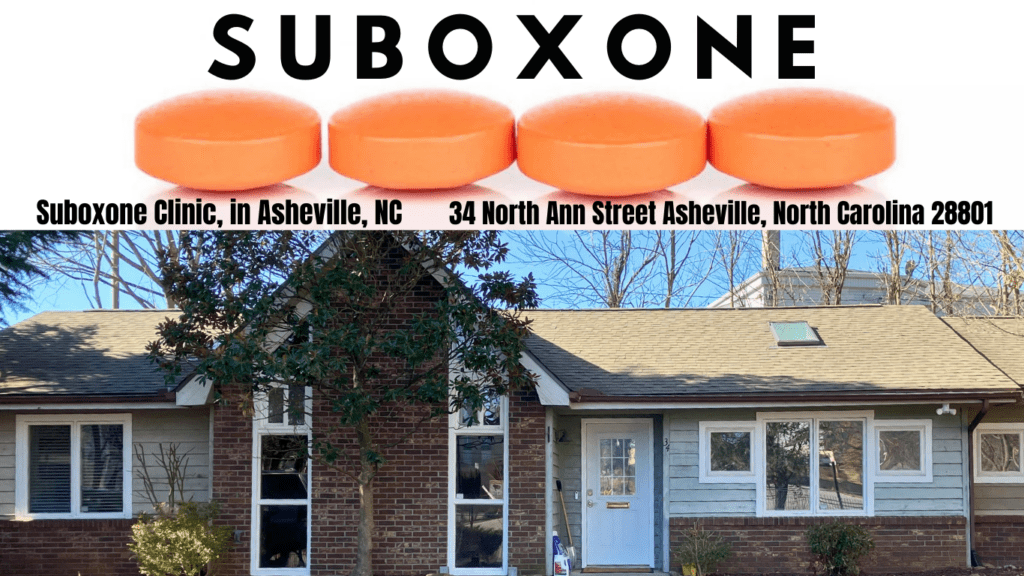
Our office is located in downtown Asheville at 34 North Ann Street, and appointments are scheduled in a professional outpatient medical setting focused on safety, privacy, and continuity of care.
If you or someone you care about is living with opioid use disorder, taking the first step may feel difficult — but it is also the beginning of meaningful change.
Clear information, structured treatment, and consistent support can make recovery possible. Please give us a call today to learn more at 828-575-2070.
Disclaimer
The information provided in this article is intended for educational purposes only and should not be considered medical advice, diagnosis, or treatment. Reading this content does not establish a provider–patient relationship with Reach Recovery & Integrated Health.
You should not delay or disregard seeking professional medical care based on information contained here. If you believe you may be experiencing a medical emergency, contact your physician immediately or call 911.
Related Articles