Dr. Tom Reach on Neuropathy and the Dangers of Gabapentin
Dangers: Brain Shrinkage, Memory Loss, and Dependence

Tom Reach, MD
Date Published: 4/13/2026

Table of Contents
Dr. Ralph Thomas Reach, MD—known to colleagues and patients as Dr. Tom Reach, or simply Dr. Tom—is a physician trained in Addiction Medicine and Family Medicine with decades of experience treating substance use disorders.
Neuropathy affects millions of Americans, causing pain, numbness, and a progressive decline in quality of life. For many patients, the standard medical response is a prescription—often gabapentin—intended to manage symptoms rather than address the underlying cause. While this approach may provide temporary relief, it raises an important question: what are the long-term consequences of relying on medications that may do more than just dull pain?
At my own practice in Asheville, NC—Reach Recovery and Integrated Health—I see a different side of the story. I work with patients struggling with neuropathy who are also experiencing cognitive issues, dependence, and diminished overall health while taking medications like gabapentin. Rather than simply masking symptoms, I emphasize identifying root causes—such as metabolic dysfunction, inflammation, and lifestyle factors—while carefully guiding patients through safer, medically supervised pathways, including medically assisted detox when appropriate.
In This Article You Will Learn:
- What is neuropathy, and why does it happen?
- Does gabapentin cause dependence, and how does it affect brain health and memory?
- What are safer, root-cause approaches to addressing neuropathy?
- How can you take the first steps toward recovery today?
What Is Neuropathy, and Why Does It Happen?
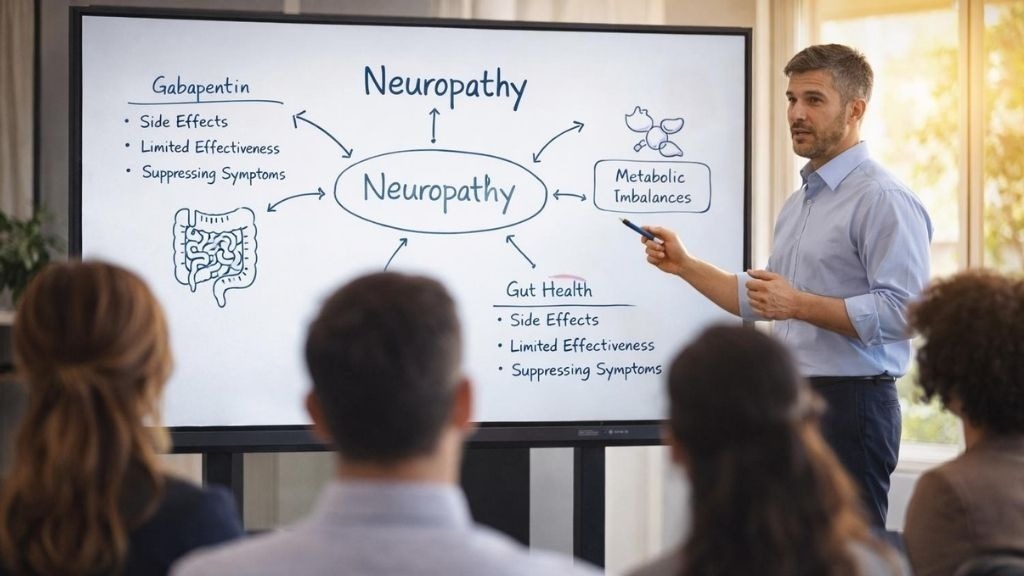
Neuropathy is a condition that results from damage to the peripheral nerves, which transmit signals between the brain, spinal cord, and the rest of the body. Symptoms often include tingling, numbness, burning sensations, and pain, typically starting in the hands or feet and gradually worsening.
Neuropathy can be caused by a range of factors, including diabetes, traumatic injuries, infections, and exposure to toxins. In fact, according to Harvard Health, neuropathy is often linked to poorly controlled blood sugar in individuals with diabetes. Managing these underlying conditions is key to preventing progression.
As Dr. Todd Strong—who has extensive experience working with patients experiencing neuropathy—has emphasized, while gabapentin is frequently prescribed to manage neuropathy pain, it does not address the root causes. Many patients who rely on gabapentin long-term develop cognitive issues, such as memory lapses and brain fog. These risks arise because gabapentin, in some cases, may disrupt neurotransmitters essential for memory and learning. Although not everyone will experience these effects, the potential for cognitive decline should be taken seriously, especially among individuals who are aging, those with a history of substance use disorders, or those currently managing opioid use disorder.
Research supports these concerns. A study published in a large-scale observational analysis showed that frequent gabapentin use was associated with an 85% higher risk of mild cognitive impairment and a 29% increased risk of dementia. This highlights why it’s crucial to consider both immediate symptom relief and long-term brain health when evaluating treatment options.
Does Gabapentin Cause Dependence, and How Does It Affect Brain Health and Memory?
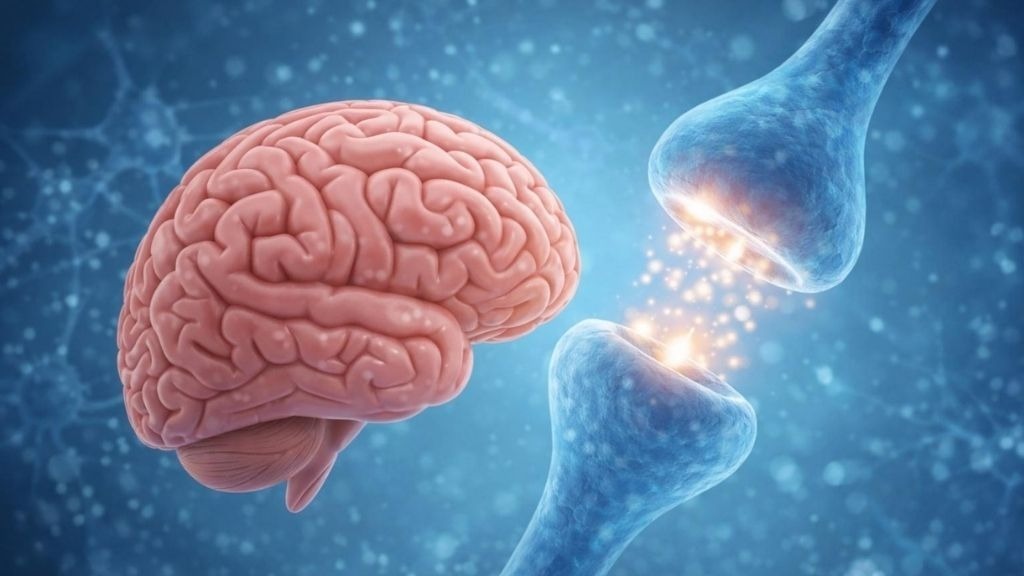
Gabapentin is often described as a “safer” alternative to opioids for managing neuropathic pain. However, a growing body of evidence suggests that its long-term use may carry risks that are not always fully understood by patients—or even by some prescribers.
From a clinical standpoint, the issue is not simply whether gabapentin is “addictive” in the traditional sense. Rather, the more precise concern is dependence—a condition in which the body adapts to a medication and begins to rely on it for normal function. According to Drugs.com, “gabapentin has been shown to lead to dependence, addiction and withdrawal in some people.” This means that discontinuing the medication abruptly can result in symptoms such as anxiety, insomnia, and a rebound of nerve pain.
At the same time, it is important to approach the issue with balance. As Medical News Today notes, “scientists do not believe gabapentin is generally addictive.” However, that same source makes a critical distinction: individuals with a current or past substance use disorder may be at significantly higher risk for misuse. This is something I see regularly in my own practice. In Asheville and the surrounding region, many patients who come to us for opioid use disorder or other substance-related challenges have also been prescribed gabapentin—creating overlapping vulnerabilities that can increase the likelihood of dependence.
Beyond the question of dependence, there is also the issue of how gabapentin is being used in real-world settings. In many cases, it is prescribed long-term without a clear plan for tapering or reassessment. As prescriptions accumulate, so does the potential for unintended consequences—not only in terms of physical reliance, but also in how patients feel day to day. In my experience, patients often describe increasing fatigue, mental fog, and a general sense that something isn’t quite right, even when their pain is being managed. These changes are not always recognized early, which is why ongoing evaluation is essential—particularly in aging individuals and those already managing complex health conditions. Regular reassessment and dose adjustments are a routine part of my work with patients who are taking gabapentin or transitioning away from it. Careful treatment planning helps ensure that these changes are both safe and effective. In some cases, a structured taper or medically assisted detox may be indicated to help patients safely reduce or discontinue the medication.
The risks become even more pronounced when gabapentin is used in combination with other substances. Clinical sources warn that co-use with opioids or alcohol may significantly increase the risk of sedation, respiratory depression, and overdose. This is one reason why my team and I, providing addiction treatment in Asheville, are paying closer attention to gabapentin use in patients with opioid use disorder or polysubstance exposure.
Taken together, these findings highlight an important reality: while gabapentin may provide short-term symptom relief, it is not without potential consequences. For patients already navigating complex health challenges—including neuropathy, chronic pain, or substance use disorders—the decision to use or continue gabapentin should always be made with a full understanding of both its benefits and its risks.
This naturally leads to the next question: if symptom management alone is not enough, what does a more effective approach actually look like?
What Are Safer, Root-Cause Approaches to Addressing Neuropathy?

In my experience, meaningful improvement begins with a shift in focus—from managing symptoms to understanding what is actually driving nerve damage in the first place. Neuropathy is rarely the result of a single isolated issue. More often, it reflects a combination of metabolic imbalance, chronic inflammation, impaired circulation, nutritional deficiencies, and, in many cases, disruptions in gut health.
As Dr. Todd Strong has emphasized, treating neuropathy without addressing these underlying factors often leads to temporary relief at best. He is not alone in this perspective. A growing body of clinical work in areas such as metabolic health and the gut microbiome continues to reinforce the idea that nerve health is deeply connected to broader systemic function.
In practical terms, this means taking a more comprehensive approach to care. One of the most important starting points is metabolic health—particularly blood sugar regulation. Even in patients who have not been diagnosed with diabetes, fluctuations in blood sugar can contribute to ongoing nerve irritation and damage. Addressing diet, reducing processed foods, and stabilizing insulin response can have a meaningful impact over time.
Equally important is improving circulation and reducing inflammation. Nerves depend on adequate blood flow and oxygen delivery to repair and function properly. When circulation is compromised or inflammation is persistently elevated, the body’s ability to heal is limited. Identifying and reducing these underlying drivers is a central part of the work we do.
Nutritional support is another key component. The nervous system relies on specific nutrients—particularly B vitamins, essential fatty acids, and antioxidants—to maintain and repair healthy nerve function. In some cases, targeted supplementation can support this process.
A key part of this approach is helping patients move from a passive role in their care to an active and engaged one. Rather than simply following instructions or relying solely on medications, patients are encouraged to understand the factors contributing to their condition and to participate meaningfully in their recovery. In my experience, this shift is critical. When patients are informed and involved, outcomes tend to improve not only physically, but also in terms of confidence, motivation, and overall well-being.
For patients who are currently taking gabapentin, this process is not about abrupt discontinuation. Instead, it involves building a structured, individualized plan that supports healing while gradually reducing reliance on medication when appropriate. This may include careful tapering, nutritional support, lifestyle changes, and, in some cases, medically assisted detox.
How Can You Take the First Steps Toward Recovery Today?

If you are currently taking gabapentin and experiencing side effects, or if you feel that your neuropathy is being managed but not truly improving, it may be time to take a closer look at the bigger picture.
In my practice, I work with individuals facing a wide range of challenges, including neuropathy, substance use disorders, opioid use disorder, and the broader effects of long-term medication use. While gabapentin may be part of the conversation, the focus is always on helping patients move toward lasting improvement by addressing the underlying factors that are contributing to their condition.
This begins with a comprehensive evaluation—looking at metabolic health, lifestyle patterns, gut function, and neurological factors that may be influencing symptoms. From there, we develop a personalized plan that may include nutritional strategies, circulation-focused therapies, neurorepatterning approaches, and, when appropriate, a structured taper or medically assisted detox.
Equally important is the role the patient plays in that process. Lasting change does not come from a single intervention. It comes from an ongoing effort in which patients are engaged, informed, and supported as they make meaningful changes in their health and daily lives.
If you are ready to explore a different approach—one that looks beyond medications and focuses on root causes, long-term healing, and reclaiming control over your health—I invite you to reach out and learn more about the care we provide at Reach Recovery and Integrated Health in Asheville, NC. Whether you are seeking support for neuropathy, substance use disorders, opioid use disorder, or gabapentin dependence treatment in Asheville, our goal is to help you move toward meaningful, lasting recovery through a comprehensive, patient-centered approach.
Your path to recovery doesn’t have to begin with another prescription—it can begin with understanding what your body needs to heal.
About the Author
Dr. Ralph Thomas Reach, MD—known to his patients as Dr. Tom Reach—is a physician trained in Addiction Medicine and Family Medicine with decades of experience treating substance use disorders. A graduate of the University of South Carolina School of Medicine, he practiced emergency medicine for over 20 years in Central Appalachia and is trained in addiction medicine. Dr. Reach is licensed in North Carolina and focuses on providing comprehensive care, including Suboxone treatment, for individuals seeking recovery.
Read Dr. Reach’s full bio here: Provider Dr. Tom Reach | President & Founder
Sources & Resources
Dr. Todd Strong — The Neuropathy Medication Causing Memory Loss
https://www.facebook.com/reel/1701437294162793
The #1 Cause of Neuropathy 99% of Doctors Miss (How to Fix It)
https://www.youtube.com/watch?v=yyZ1lhR09xQ
Is Gabapentin Addictive?
https://www.drugs.com/medical-answers/gabapentin-addictive-3573085/
Is Gabapentin Addictive? (Medical News Today)
https://www.medicalnewstoday.com/articles/drugs-is-gabapentin-addictive
Gabapentin Users May Face Higher Risk of Cognitive Impairment
https://www.medicalnewstoday.com/articles/gabapentin-users-may-face-85-higher-risk-of-cognitive-impairment
Gabapentin: Uses, Side Effects, and What You Should Know
https://www.health.harvard.edu/healthy-aging-and-longevity/gabapentin-uses-side-effects-and-what-you-should-know-if-youve-been-prescribed-this-medication
Gabapentin Misuse, Abuse, and Diversion: A Systematic Review
https://pmc.ncbi.nlm.nih.gov/articles/PMC5573873/
Gabapentin FAQ for Practitioners (North Carolina Medical Board)
https://www.ncmedboard.org/images/uploads/other_pdfs/Gabapentin_FAQ_Sheet_for_Practitioners_Final.pdf
Frequent Gabapentin Use Linked to Higher Dementia and Cognitive Impairment Risk
https://www.news-medical.net/news/20250710/Frequent-gabapentin-use-linked-to-higher-dementia-and-cognitive-impairment-risk.aspx