
Dr. Tom Reach on Why Parity Laws Are Vital for Opioid Addiction Treatment
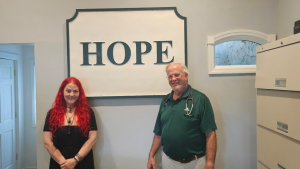
Dr. Tom Reach
Date Published: 3/30/2026

Table of Contents
Dr. Ralph Thomas Reach, MD—known to colleagues and patients as Dr. Tom Reach, or simply Dr. Tom—is a physician trained in Addiction Medicine and Family Medicine with decades of experience treating substance use disorders.
Opioid addiction continues to affect families and communities across the country, including here in Western North Carolina and East Tennessee. While advances in opioid dependence treatment—including medication-assisted approaches—have helped many people reclaim their lives, access to consistent, long-term care remains uneven.
I have spent decades working on the front lines of substance use disorders—as a clinician, a multi-clinic owner, and a physician trained in addiction medicine. Over that time, I have seen firsthand how policies intended to manage costs can sometimes create unintended barriers to recovery. One area where this tension becomes especially clear is in the application of federal “parity laws.”
In this article, you will learn:
- What are parity laws, and how do they apply to opioid addiction treatment?
- Why are parity laws so important for patients seeking recovery?
- Where do current policies fall short—and what changes could improve care?
- What can physicians, patients, and communities do moving forward?
What are parity laws, and how do they apply to opioid addiction treatment?

Parity laws—most notably the Mental Health Parity and Addiction Equity Act (MHPAEA)—are designed to ensure that mental health and substance use disorder treatment are covered on par with physical health conditions.
In practical terms, this means that limitations applied to addiction care—such as visit caps, duration limits, or medication restrictions—should not be more restrictive than those applied to conditions like heart disease, diabetes, or COPD.
For patients seeking opioid addiction treatment in the Western North Carolina and East Tennessee region—especially in Asheville, these laws are meant to protect access to evidence-based care. That includes medications like buprenorphine (Suboxone and Zubsolv, among others), counseling, and ongoing outpatient support. These protections are especially important as fentanyl continues to drive overdose risk, increasing the need for fentanyl addiction treatment in Asheville, NC and across the region.
Why are parity laws so important for patients seeking recovery?
In my experience, addiction is a chronic, relapsing condition involving changes in brain chemistry and behavior. Like other chronic illnesses, it requires long-term management—not short, arbitrary treatment windows.
When patients have access to consistent care—including medication-assisted treatment, counseling, and community support—the outcomes can be remarkable. I have seen people stabilize, return to work, regain custody of their children, and become productive members of society.
But when treatment is prematurely limited—whether through insurance restrictions, dose caps, or duration limits—the risk of relapse increases significantly. And in today’s environment, relapse is far more dangerous than it was even a decade ago because of fentanyl.
From a systems perspective, interruptions in care often lead to higher downstream costs: emergency department visits, hospitalizations, infectious disease treatment, and involvement with the criminal justice system. In contrast, sustained outpatient care—whether through medically assisted detox, maintenance therapy, or structured follow-up—is one of the most effective ways to reduce those burdens.
Where do current policies fall short—and what changes could improve care?
Despite the intent of parity laws, we continue to see gaps in how they are applied. In both North Carolina and Tennessee, patients and providers encounter barriers such as:
- Limits on the duration of medication-assisted treatment
- Restrictions on dosing that do not reflect clinical reality
- Limited availability of qualified providers or participating pharmacies
- Inconsistent access depending on insurance status
These challenges are rarely the result of a single decision. More often, they reflect a combination of administrative constraints, resource limitations, and financial pressures within the healthcare system.
Over the years, I have also had the opportunity to engage with policymakers and participate in discussions around these issues at the state level. What has become clear to me is that addiction care is too often treated differently than other chronic medical conditions.
If we are serious about improving outcomes, we need to align addiction treatment with the way we manage diseases like diabetes, heart disease, or COPD:
- Clinical decisions should be guided by patient need—not arbitrary timelines
- Access to outpatient treatment should be expanded, not restricted
- Long-term maintenance should be supported when clinically appropriate
- Care should integrate medical treatment, behavioral health, and recovery support
In communities searching for rehabs in Western North Carolina—particularly in the Asheville area—or comprehensive opioid dependence treatment, there is a growing recognition that recovery is not a one-size-fits-all process. Flexibility and continuity matter.
What can physicians, patients, and communities do moving forward?

Progress begins with a shared understanding: addiction is a medical condition, not a moral failing.
As physicians and healthcare providers, we have a responsibility to advocate for evidence-based care. That includes speaking up when policies interfere with our ability to treat patients appropriately.
Patients, families, and members of the community also have an important role to play. If you are affected by these issues—and many people are—you can make your voice heard.
That means engaging with the legislative process.
Reach out to your state and federal representatives. Ask how parity laws are being enforced. Ask why limitations are placed on addiction treatment that would never be applied to other chronic diseases. Share your experiences.
Real change happens when people are willing to step forward and advocate—not just for themselves, but for others who may not yet have a voice.
Parity laws provide a framework. But they only matter if they are applied in a way that reflects both medical reality and human need.
From where I stand, the goal is simple: make effective treatment accessible, appropriate, and available for as long as it is needed.
About the Author
Dr. Ralph Thomas Reach, MD—known to his patients as Dr. Tom Reach—is a physician trained in Addiction Medicine and Family Medicine with decades of experience treating substance use disorders. A graduate of the University of South Carolina School of Medicine, he practiced emergency medicine for over 20 years in Central Appalachia and is trained in addiction medicine. Dr. Reach is licensed in North Carolina and focuses on providing comprehensive care, including Suboxone treatment, for individuals seeking recovery.
Read Dr. Reach’s full bio here: Provider Dr. Tom Reach | President & Founder
References
Mental Health Parity and Addiction Equity Act (MHPAEA) — Overview
https://www.cms.gov/marketplace/private-health-insurance/mental-health-parity-addiction-equity
North Carolina Opioid and Substance Use Action Plan Data
https://www.ncdhhs.gov/opioid-epidemic
Tennessee Department of Health — Opioid Data Dashboard
https://www.tn.gov/health/health-program-areas/pdo/pdo/data-dashboard.html
Substance Abuse and Mental Health Services Administration (SAMHSA) — Medication-Assisted Treatment
https://www.samhsa.gov/medication-assisted-treatment