Designer Drugs: The Next Wave of Overdose Deaths
Staff
Date Published: 6/15/2026
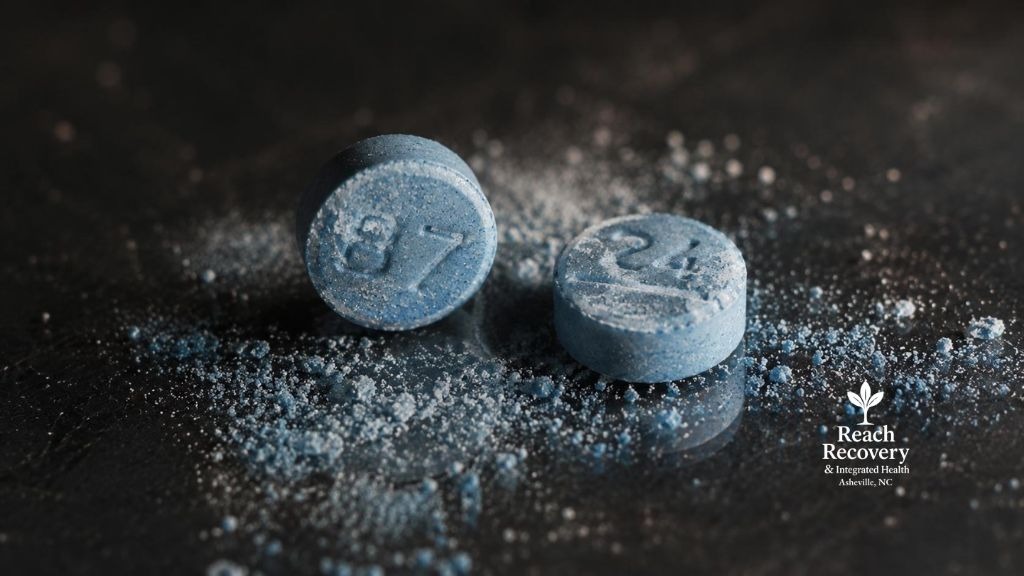
Table of Contents
Cychlorphine, xylazine, and medetomidine are three of the newest threats in the opioid crisis. While overall overdose deaths have declined nationwide—thanks primarily to expanded treatment access, greater public awareness, and a growing reduction in stigma—these designer drugs are introducing alarming new dangers into communities, from Tennessee to Hawaii.
In East Tennessee, officials report that cychlorphine—sometimes up to 10 times more potent than fentanyl—has been linked to dozens of overdose deaths. Meanwhile, medetomidine, is showing up in illicit drug supplies, especially in the Northeastern United States. And in Hawaii, a rise in designer drugs is fueling new overdose waves, even as some other drug deaths decline.
In this article, you will learn:
- What cychlorphine, xylazine, and medetomidine are
- How they are contributing to rising overdose deaths across the country
- Why expanded treatment and naloxone access are crucial
- How these new threats demand increased public awareness and vigilance
What Are Cychlorphine, Xylazine, and Medetomidine?
In recent years, the illicit drug supply has grown even more dangerous, as powerful designer adulterants make their way into street drugs. These substances are often unknown to users, and the impact reaches across many demographics. These drugs do not affect only one type of person or one kind of community. They pose a threat to both young and older individuals alike. Below, we define three such emerging threats.
Cychlorphine
Cychlorphine—N-Propionitrile Chlorphine, or cychlorphine, according to the Tennessee Department of Health—is a synthetic opioid, 10 times more potent than fentanyl. While researchers and government officials are still uncovering details, it is believed cychlorphine originated in China in 2024 and quickly moved to Europe before hitting the United States in late 2024—perhaps through Florida. Cychlorphine has not been approved for human use. Like fentanyl, it is mixed with street drugs but is all the more dangerous because it can’t—as of yet—be detected with test kits, although efforts are well underway to make testing possible. Officials are unclear if it is contained to a limited supply or one bad batch, or if it’s representative of a longer-term shift in the drug supply. Regardless, the threat this so-called designer drug poses to the public is extremely troubling, to say the least.
Xylazine
Xylazine is a veterinary sedative and muscle relaxant, sold under trade names like Rompun, Sedazine, and AnaSed, and approved only for animal use. It is not federally controlled for human use, leaving it in a legal gray area. In illicit drug markets, it’s often mixed into heroin, fentanyl, and cocaine to cut costs. On the street, combined with fentanyl, it’s known as “tranq” or “tranq dope.”
Medetomidine
Medetomidine, like xylazine, is a veterinary drug not intended or approved for human use. It is not regulated by the FDA for human consumption. Increasingly found mixed with illicit fentanyl, users often do not realize they are consuming it. Both drugs, though different in effect—xylazine being a tranquilizer and medetomidine a sedative—pose a growing threat as adulterants in the drug supply.
Each of these drugs, while distinct, contributes to a dangerous landscape of tainted substances. In the next section, we will examine the specific dangers they pose—from unpredictable overdoses to severe health consequences—and why no one is immune.
Why Are These Designer Drugs So Dangerous?
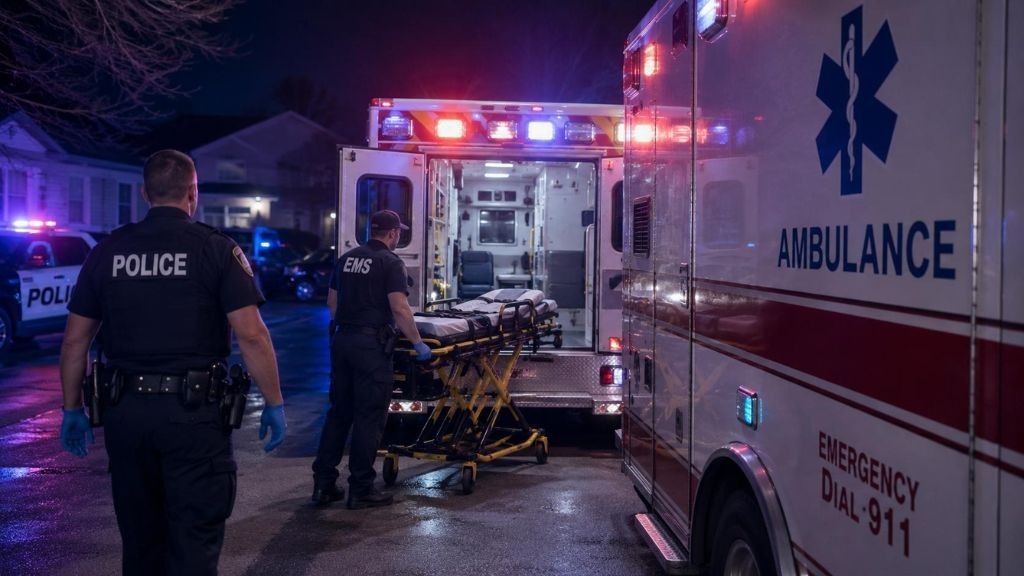
While these substances differ, each has introduced alarming risks. Let’s break down the specific dangers of cychlorphine, xylazine, and medetomidine.
Cychlorphine: This synthetic opioid, 10 times stronger than fentanyl, has already caused dozens of overdose deaths. While naloxone can reverse its effects, multiple doses are often needed due to its potency. Because cychlorphine is undetectable by standard test kits, users often overdose unknowingly.
Xylazine: As a tranquilizer, xylazine does not respond to naloxone. Overdoses can lead to prolonged sedation, and chronic use can cause severe, necrotic skin wounds. These flesh wounds can be so damaging that amputations may be required. A simple search of “xylazine necrotic skin wounds” provides photo examples. Be warned, the photos are very disturbing.
Medetomidine: Known as “rhino tranq,” medetomidine also does not respond to naloxone. It causes sedation and, upon withdrawal, can lead to hallucinations, skyrocketing blood pressure, and tremors. It is also linked to flesh-eating wounds and, in severe cases, amputations may be necessary to prevent further harm.
Together, these three drugs form a perfect storm of danger. Next, we’ll explore how communities, healthcare providers, and policymakers can respond to mitigate these severe threats.
Why the Usual Harm Reduction Advice May Not Be Enough
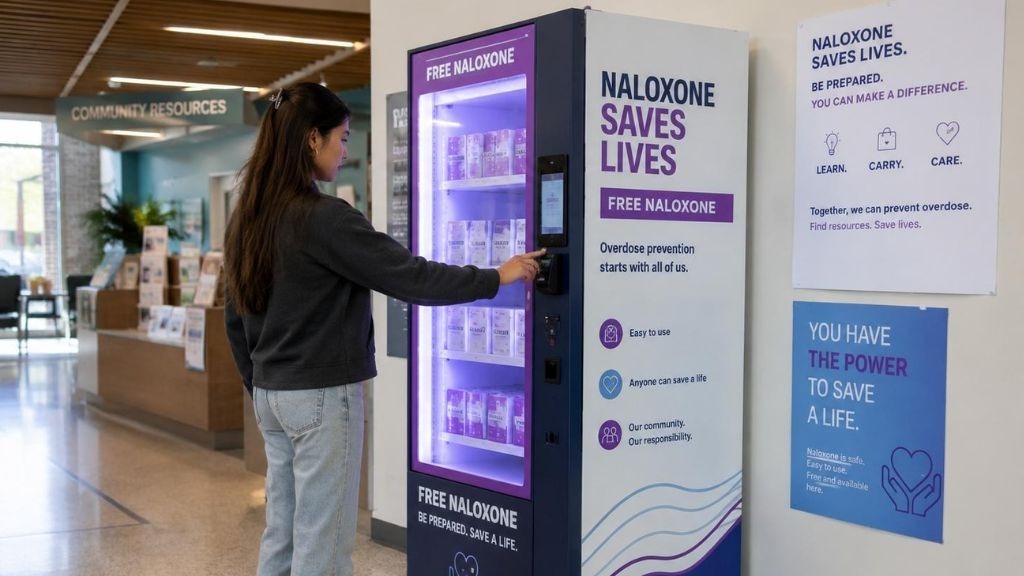
For years, physicians, public health workers, and peer recovery specialists have given practical harm reduction advice to people who continue to use street drugs: never use alone, take a small test dose, avoid mixing drugs, and always keep naloxone nearby.
That advice still matters. Naloxone can reverse opioid overdoses, including overdoses involving fentanyl and cychlorphine, though powerful synthetic opioids may require repeat dosing. Having another person present can also make the difference between life and death if breathing slows or stops.
But designer drugs like cychlorphine, xylazine, and medetomidine complicate this advice in dangerous ways.
A test dose may not reveal the full risk because street drugs are often unevenly mixed. One small amount may contain little or none of the adulterant, while the next dose may contain a deadly concentration. This is especially concerning with cychlorphine, which is reportedly far more potent than fentanyl and cannot yet be reliably detected by common test strips.
Naloxone also has limits. It works on opioids, which means it may help reverse an overdose involving cychlorphine. But xylazine and medetomidine are not opioids, and naloxone does not reverse their sedating effects. If a person has used fentanyl mixed with xylazine or medetomidine, naloxone may still help with the opioid portion of the overdose, but the person may remain dangerously sedated and still require emergency medical care. Even after naloxone is given, death remains a real possibility.
If an overdose is suspected, call 911 immediately. Administer naloxone as soon as possible. Naloxone restores breathing during an opioid overdose, and if the person begins breathing normally again, additional naloxone is not needed at that time—but the person should continue to be carefully monitored until EMS arrives. Rescue breaths are also critical. Supporting breathing while naloxone takes effect provides immediate oxygen and can save a life. If the person does not respond, or if breathing slows again, another dose of naloxone may be needed.
Mixing substances creates even greater risk. Opioids, alcohol, benzodiazepines, gabapentin, muscle relaxers, and veterinary sedatives can all depress the central nervous system. When combined, they can slow breathing, lower awareness, and increase the risk of fatal overdose.
This is why the safest advice remains clear: do not use street drugs. For those already struggling with substance use, the next safest step is to seek treatment, carry naloxone, avoid using alone, and call 911 immediately if someone becomes unresponsive, stops breathing normally, or develops blue or purple lips or fingernails.
These new drugs show why harm reduction alone is not enough. Public awareness, rapid emergency response, expanded naloxone access, drug-checking technology, and evidence-based treatment must all be part of the answer.
Addressing these evolving drug threats requires more than one approach. Harm reduction strategies—such as ensuring naloxone access—remain life-saving. Public awareness and education are vital to reducing stigma and encouraging treatment. Equally important is expanding access to effective, evidence-based care. Together, these efforts can save lives and empower individuals and communities to face these challenges with hope and support.
If you or a loved one are struggling, Reach Recovery and Integrated Health is here to help. We provide comprehensive treatment options and support to guide you toward recovery. You are not alone—reach out today. Call us at 828-575-2070 to begin your journey toward healing.
Sources & Resources
General Overdose / Naloxone
CDC — Everything You Need To Know About Naloxone
General CDC guidance on naloxone and overdose response.
https://www.cdc.gov/stop-overdose/caring/naloxone.html
Cychlorphine
Tennessee Department of Health — Cychlorphine Fatalities / Naloxone Guidance
Official Tennessee health alert on cychlorphine fatalities and the importance of naloxone.
https://www.tn.gov/health/news/2026/3/18/tdh-reinforces-importance-of-naloxone-with-rise-in-cychlorphine-fatalities.html
Knox County Regional Forensic Center — Cychlorphine in East Tennessee Deaths
Regional forensic media release on cychlorphine appearing in East Tennessee overdose deaths.
https://www.knoxcounty.org/rfc/pdfs/mediarelease/2026/2026.04.06NewDrugCychlorphineAppearinginOtherDeathsAcrossEastTennessee.pdf
WATE — Cychlorphine Linked to 41 Deaths in East Tennessee
Local report on cychlorphine being linked to 41 deaths in East Tennessee.
https://www.wate.com/news/new-drug-linked-to-41-deaths-in-east-tennessee-officials-warn/
WKRN — Deadly New Opioid Cychlorphine Linked to Rising Tennessee Overdose Deaths
Tennessee news coverage on rising cychlorphine-linked overdose deaths and public-health warnings.
https://www.wkrn.com/news/local-news/deadly-new-opioid-cychlorphine-linked-to-rising-overdose-deaths-in-tennessee-experts-warn/
USA Today — What Is Cychlorphine?
General-audience overview explaining cychlorphine and why public-health officials are concerned.
https://www.usatoday.com/story/news/health/2026/04/08/what-is-cychlorphine-drug/89505584007/
UNODC — Technical Classification of Cychlorphine
Technical classification of cychlorphine, also known as N-propionitrile chlorphine.
https://www.unodc.org/LSS/Announcement/Details/9403c3d1-12b9-49ac-8604-7da583d38d3b
CFSRE / NPS Discovery — Public Alert on N-Propionitrile Chlorphine
Public alert on N-propionitrile chlorphine as an emerging synthetic opioid.
https://www.cfsre.org/images/content/reports/public_alerts/Public_Alert_N-Propionitrile_Chlorphine_013026.pdf
NWVCIL — Public Health Summary on Cychlorphine
Plain-language public-health summary on cychlorphine and synthetic opioid overdose risk.
https://nwvcil.org/blog/2026-03-14-cychlorphine-synthetic-opioid-tennessee-deaths
Xylazine
DEA Diversion Control Division — Xylazine Threat
DEA summary on xylazine, its veterinary use, illicit use, and public-health threat.
https://www.deadiversion.usdoj.gov/drug_chem_info/xylazine/xylazine.html?utm_source=chatgpt.com
DEA Diversion Control Division — Xylazine Drug Summary PDF
DEA PDF summary on xylazine.
https://www.deadiversion.usdoj.gov/drug_chem_info/xylazine/Xylazine.pdf
CBS Chicago — News Report About Xylazine
Video report on xylazine, “tranq,” overdose risk, wounds, and spread in the drug supply.
https://www.youtube.com/watch?v=t36Bz-3WIjk
Medetomidine
CDC Health Advisory — Medetomidine
CDC advisory on medetomidine, including street names such as “rhino tranq,” “mede,” and “dex.”
https://www.cdc.gov/han/php/notices/han00527.html
CDC MMWR — Medetomidine in Philadelphia
CDC report on suspected medetomidine withdrawal among fentanyl-exposed patients in Philadelphia.
https://www.cdc.gov/mmwr/volumes/74/wr/mm7415a2.htm
Philadelphia Department of Public Health — Medetomidine Overdose and Withdrawal Guidance
Public-health guidance on responding to overdose and withdrawal involving medetomidine.
https://hip.phila.gov/health-alerts/responding-to-overdose-and-withdrawal-involving-medetomidine/
CDC — Fact Sheet / Situation Summary on Medetomidine
CDC fact sheet on medetomidine in the illicit drug supply.
https://www.cdc.gov/overdose-prevention/situation-summary/medetomidine.html
CBS News — Veterinary Sedative Medetomidine Is Creating a Drug Crisis in Philadelphia
Video report on medetomidine, withdrawal symptoms, fentanyl adulteration, and spread beyond Philadelphia.
https://www.youtube.com/watch?v=luAEiss1vGA
Broader Designer Drug / Overdose Trends
Hawaii News Now — Hawaii 2025 Overdose Data
Report on Hawaii’s 2025 overdose data, including declining fentanyl deaths but rising deaths involving methamphetamine and emerging designer drugs such as bromazolam.
https://www.hawaiinewsnow.com/2026/05/14/hawaii-sees-mixed-results-report-2025-drug-overdose-deaths/
ScienceDaily — Rising Overdose Deaths Among Older Adults
Report on rising overdose deaths among older adults, including the role of fentanyl, stimulants, and changing overdose patterns among U.S. seniors.
https://www.sciencedaily.com/releases/2025/10/251012054606.htm