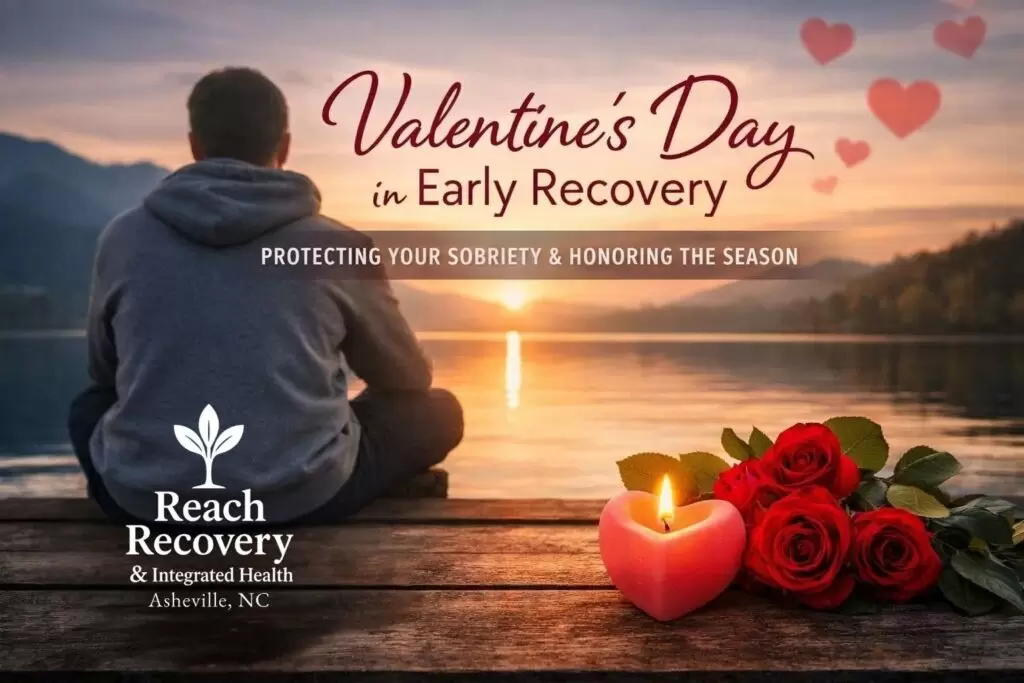
Valentine’s Day in Early Recovery: Protecting Your Sobriety While Honoring the Season

Picture of RRIH Team Member

RRIH Team Member

Date Published: 2/13/2026

Valentine’s Day in Early Recovery

Table of Contents

For individuals in early recovery, Valentine’s Day can bring a complicated mix of emotions. What is marketed as a celebration of romance can instead stir up regret, loneliness, guilt, or unresolved relationship pain. Many people in recovery are still repairing the damage addiction caused in their marriages, partnerships, and families.

Those emotions are real. But they do not have to threaten your sobriety.

Recovering from addiction is not just about abstaining from substances. It is about learning to accept yourself honestly — where you are today — without shame. Valentine’s Day can be an opportunity to practice that acceptance instead of spiraling into self-criticism.

In This Article You Will Learn:

  • Why Valentine’s Day can be emotionally triggering for individuals in early recovery
  • How disrupted routines increase relapse risk during holidays
  • Practical steps to protect your sobriety on emotionally charged days
  • How self-respect and structured self-care strengthen recovery
  • Why connection — not isolation — is critical for relapse prevention
  • The role physical activity and meditation play in emotional regulation
  • How to reframe Valentine’s Day as an opportunity to strengthen, not threaten, your recovery

Stay Anchored in Your Recovery Plan

Holidays disrupt routine — and disrupted routine increases vulnerability.

Keep your meeting schedule. Take your prescribed medications if you are participating in Medication-Assisted Treatment. Maintain your morning practices. If you normally journal, meditate, exercise, or check in with your sponsor, do not skip it “just for today.”

Stability protects sobriety.

Have a written plan for the day. Identify potential triggers in advance and decide how you will handle them. If necessary, schedule an extra meeting. Keep phone numbers of supportive people close at hand.

Structure reduces risk.

Practice Healthy Self-Respect

Reading Something Uplifting Can Help with Recovery.

Early recovery often carries lingering guilt about past behavior. While making amends is important, self-punishment is not a strategy to recover from addiction.

Valentine’s Day can be reframed as a day to practice self-respect rather than self-criticism.

That might mean:

  • Taking time for rest
  • Reading something uplifting
  • Preparing a healthy meal
  • Buying yourself something small but meaningful
  • Turning off social media if comparison becomes a trigger

Self-care is not indulgence. It is maintenance.

Strengthen Supportive Relationships

Recovering from addiction flourishes in connection.

Valentine’s Day can be an appropriate time to reach out — not with grand gestures, but with sincerity. A brief message of gratitude to someone who stood by you during treatment. A phone call to a sober friend. A handwritten note to a family member.

You do not need to repair everything in one day. But you can nurture what is healthy.

Intentional appreciation strengthens bonds — and strong bonds protect recovery.

Avoid Isolation

Loneliness is a high-risk emotional state in early recovery.

If you are single, recently separated, or rebuilding trust in a strained relationship, do not spend the day ruminating on what was lost. Make plans in advance. Attend a meeting. Meet a friend for coffee. Volunteer. Spend time around people who support your sobriety.

Connection is protective medicine.

Move Your Body

Exercise Can Help Relieve Stress During Addiction Recovery Process.
Exercise Can Help Relieve Stress During Addiction Recovery.

Emotional stress has a physiological component. Physical activity regulates mood, reduces anxiety, and improves resilience.

Even a brisk walk can shift perspective. A workout, yoga session, or time outdoors can calm the nervous system and decrease cravings. Healthy physical exertion is one of the most underutilized relapse-prevention tools available.

A steady body supports a steady mind.

Quiet the Noise

Begin the day intentionally.

A brief period of meditation, prayer, or reflection can anchor your thinking before the emotional messaging of the day takes over. Spend a few minutes in gratitude — not for perfection, but for progress.

Recovery offers something addiction never could: clarity, honesty, and the possibility of healthy love.

That is worth acknowledging.

Valentine’s Day does not have to be a trigger. With preparation, self-awareness, and connection, it can become a reminder of what recovering from addiction truly restores — the ability to love responsibly, live honestly, and build relationships grounded in health rather than chaos.

If you are in early recovery and feel vulnerable around holidays, reach out. You are not alone, and support is available.

You are here. You have done hard work. Protect it.
Resources:

Virtual Meeting Resources

AA Online Intergroup: https://aa-intergroup.org

NA Virtual Meetings: https://virtual-na.org

In The Rooms: https://www.intherooms.com/livemeetings/list

Finding Local Meetings

AA Meeting Finder: https://www.aa.org/find-aa

NA Meeting Search: https://www.na.org/meetingsearch

Celebrate Recovery: https://celebraterecovery.com/

General Support

988 Suicide & Crisis Lifeline: https://988lifeline.org

SAMHSA Helpline: 1-800-662-HELP (4357)

Related Articles

Scroll to Top